There is a difference between tidy and healthy. Tidy means papers stacked, trash emptied, and a table cleared for a meeting. Healthy means reduced sick days, fewer surface-transmitted infections, better indoor air quality, and a workplace that supports focus rather than worry about germs. In Manhattan offices, where people share elevators, conference rooms, and the same coffee machine, that difference is measurable. Commercial cleaning companies in NYC deliver that measurable change, not through a single miracle product, but through a sequence of practical choices and disciplined execution honed by experience.
Why health matters for an office is obvious when you look at the cost of presenteeism and absenteeism. A common-sense estimate many facilities teams use is that even a small reduction in sick days returns multiples of the cleaning budget in productivity gains. For a 200-person office, cutting average sick days by a single day per person could be worth tens of thousands of dollars across a year, before accounting for the qualitative benefits of morale and client perception. Those are the numbers that convince CFOs to move from basic janitorial service to a commercial cleaning company that treats hygiene as an operational priority.
What commercial cleaning companies actually do
At the simplest level, commercial cleaning companies handle trash, vacuuming, restroom maintenance, and surface disinfection. The difference between a routine janitor and a company that protects health lies in three areas: scope, frequency, and method. Scope means what surfaces and systems are included. Frequency is how often high-risk touch points are cleaned. Method is the products and techniques used, and how they're applied.
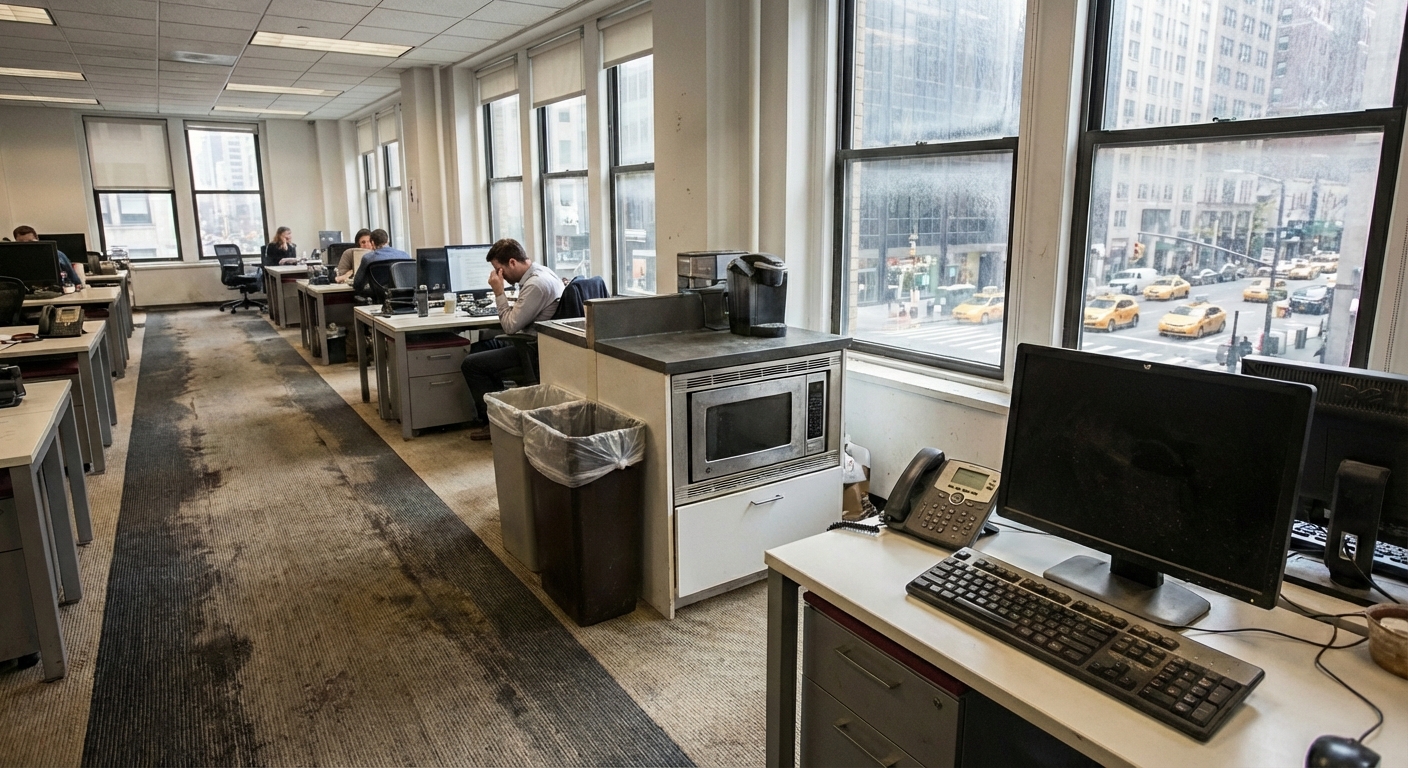
A typical healthy-office program starts with a risk map. Cleaners and facility managers identify high-touch zones such as door handles, elevator buttons, shared desks, kitchenettes, light switches, conference room remotes, and HVAC returns. They also look for “hidden” risk spots like under keyboards, inside drawer handles, and along the top of cubicle dividers. Mapping allows teams to prioritize. Cleaning everything every minute is impossible and unnecessary; cleaning the right things at the right cadence is what matters.
Cadence: where daily, weekly, and periodic practices diverge
Daily practices focus on the obvious: emptying trash, disinfecting restrooms, wiping down kitchen surfaces, and cleaning high-touch points. For modern open-plan offices this often means two or more daily touch-point rounds, especially during cold and flu season or a local outbreak. Many reputable commercial cleaning companies in NYC provide evening and overnight teams, so daytime staff stay undisturbed and the final pass before reopening is consistent.
Weekly tasks go deeper. These include dusting vents and high shelves, shampooing carpets in high-traffic corridors on a rotational basis, and treating upholstered areas. Carpet and upholstery trap respiratory particles and allergens; regular extraction cleaning reduces those reservoirs. Some buildings schedule deeper floor care weekly for lobbies and heavy-traffic zones, while less-used areas follow a longer rotation.
Monthly and quarterly work addresses systems. HVAC coil cleaning, duct inspections, and replacing high-efficiency filters on a schedule reduce particulate load and microbial growth. Periodic deep cleans target behind and under furniture, inside server rooms, and within kitchen appliances. These are the interventions that prevent slow-building problems such as mold or pest attractants.
Tools and techniques that protect health
Surface cleaning is useful, but effective infection-reduction depends on technique. Cloths need to be changed often and laundered at high temperature, mops require daily laundering or replacement, and buckets shouldn't be reused without fresh solution. Too many smaller operators skimp here, which is why companies vet cleaning teams for procedure as much as for price.
Microfiber cloths are a staple. They pick up particles instead of just pushing them around, and they are compatible with both detergent and disinfectant protocols. For hard floors, a two-bucket or single-pass microfiber system reduces cross-contamination. Commercial cleaning companies in NYC typically standardize on color-coded cloths or tools to prevent using a restroom mop in the kitchenette, for example.
Chemical choices matter, and there are trade-offs. Bleach-based products are powerful, fast-acting, and inexpensive, but corrosive on certain metals and irritating for sensitive occupants. Quaternary ammonium compounds are less harsh and still effective when used correctly, but some organisms show reduced susceptibility if products are misapplied. Hydrogen peroxide cleaners offer a middle path with broad-spectrum activity and a favorable environmental profile. A professional cleaner will match product to surface, dwell time, and occupant health needs, rather than sell a single “one-size-fits-all” solution.
Air quality interventions are often underrated. Portable HEPA filtration units in densely occupied conference rooms or on floors with poor mechanical ventilation reduce aerosolized particles. Proper maintenance of HVAC systems, including scheduled filter changes and ensuring outside air dampers operate correctly, is part of a health-focused program. Commercial cleaning firms often coordinate with building engineers to schedule these tasks without disrupting tenants.
Verification and metrics, not blind faith
A cleaning claim without measurement is marketing. The best commercial cleaning companies in NYC use verification tools to demonstrate results. ATP testing, for example, measures organic residue as a proxy for cleanliness, returning a quantitative result within minutes. While ATP does not identify pathogens specifically, it tracks whether a https://medium.com/@lygriguosc/what-landlords-should-know-about-cleaning-services-nyc-policies-8590734bef52 cleaning process removed biological matter. Regular swab tests on conference tables, kitchen counters, and elevator buttons show whether cleaning protocols are consistently applied.
Visual inspections are necessary but not sufficient. Offices often look clean even when microbial loads remain high in hidden zones. Verification programs combine visual checks, ATP or microbial swabs, and feedback loops with facility managers. Many firms deliver digital reports after each deep clean, including photographs and readings, so building operators can track performance trends and allocate resources where they matter.
Training and workforce stability make the difference
Tools and chemicals are necessary, but people execute the plan. Staff turnover, lack of training, and inconsistent supervision erode even the best-designed programs. Commercial cleaning companies that understand office health invest in training modules, certification, and on-site supervision. That includes practical drills on dwell times for disinfectants, safe mixing of solutions, proper use of PPE, and customer-facing behavior.
Workforce stability correlates directly with consistent results. When crews rotate rarely and supervisors are accountable, procedures stick. New hires often need two to three months to reach a competent level across various client sites. The most reputable cleaning services NYC firms offer incentives, clear career paths, and benefits that reduce turnover. For offices, choosing a partner with a stable workforce is as important as checking their inventory of machines.
Client collaboration and behavior change
Cleaning companies do not, and cannot, control everything. Office policies affect hygiene outcomes. A cleaning crew can only disinfect surfaces so often; if employees share contaminated food utensils, ignore hand hygiene, or leave personal items scattered across shared desks, risk persists. Therefore, effective programs include client education and simple behavior-change nudges.
A few practical measures that work: placing touch-free hand sanitizer dispensers in zones of entry and in conference rooms, providing single-use cleaning wipes in communal areas, and posting clear signage about hand hygiene in restrooms. Training reception staff and office managers on quick disinfection routines before meetings reduces spread after high-occupancy events. Commercial cleaning companies often supply these materials and advise on placement for maximum impact.
Case example: a midtown law firm
I worked with a midtown law firm that occupied three floors with a compact kitchen on each. Staff complained of recurrent colds and two extended influenza outbreaks across the winter. The building provided a base janitorial service that emptied trash and vacuumed, but there was no high-touch schedule. After a short audit we implemented a targeted plan: high-touch rounds three times per day in lobbies and communal kitchens, conference room disinfection between bookings, weekly carpet extraction in corridors, and portable HEPA units brought into meeting rooms for large gatherings.
Within four months the firm reported fewer respiratory illnesses, lower sick leave claims, and higher staff satisfaction with workplace hygiene. The investment was modest, about 10 to 12 percent above their previous spend, but the firm recovered that difference through reduced hourly staffing disruptions during peak trial months. That kind of pragmatic return on investment is what persuades facility managers to switch to specialized commercial cleaning companies in NYC.
Choosing the right partner
Selecting a commercial cleaning company is more than comparing hourly rates. Ask about protocols, verification methods, training, and workforce stability. Request sample schedules and ask for references from similar office types and sizes. Insist on seeing product labels and SDS sheets, and confirm that the company carries insurance and offers bonded personnel.
If you want a short checklist to use in interviews, consider these five items to evaluate vendors:
Protocol documentation for high-touch cleaning and disinfection, Verification methods used, such as ATP testing or swab results, Staff training programs and average tenure for crews, HVAC coordination and air quality services offered, Responsiveness, reporting frequency, and emergency procedures.Many vendors will perform well on paper. Push for a trial period with specific success metrics: a defined reduction in ATP readings on sampled surfaces, on-time completion percentages, and customer satisfaction scores collected after the first quarter. A three-month pilot often exposes whether a company can operationalize its claims.
Edge cases and trade-offs
No cleaning program is perfect for every scenario. For example, some chemicals effective against viruses can be irritating for people with asthma. In spaces with vulnerable occupants, such as medical-legal offices with immunocompromised clients, cleaning teams should shift to gentler yet effective chemistries and increase air exchange instead. High-rise offices with constrained HVAC systems sometimes cannot achieve ideal filtration; in those cases, portable HEPA units and strict surface protocols compensate.
Cost is a recurring constraint. Not every office can afford daily ATP testing, nightly disinfection of every surface, and continuous portable HEPA filtration. Decisions become about risk triage. Prioritize shared food areas, conference rooms, and high-traffic lobbies. During respiratory virus season, increase cadence for those zones. During low-incidence months, reduce frequency but maintain verification. The best approach is flexible contracting, where cleaning companies scale services for predictable changes, such as flu season or after a public event in the building.
Branding and perception: why it matters
A clean office reads to clients and employees as competent and cared for. Perception is not trivial. A daily visible cleaning presence, friendly staff, and clear signage contribute to client confidence, which can affect deal-making and retention. For companies marketing themselves as high standards, partnering with a recognizable commercial cleaning company reinforces that message.
Some offices choose a branded provider such as Impeccable Cleaning NYC for client-facing prestige and consistent standards across multiple sites. Others prefer local firms that offer personalized service and rapid response in dense city neighborhoods. Either choice should be guided by performance, verification, and the ability to communicate transparently when issues occur.
Final considerations: continuity and readiness
Health risk is rarely static. New pathogens emerge, building systems age, and tenant behavior shifts. Commercial cleaning companies that keep offices healthy plan for continuity. They maintain stockpiles of critical supplies, cross-train staff, and maintain documented emergency plans for scenarios such as a confirmed infectious case or a water intrusion event that could lead to mold.
Finally, the relationship with cleaning partners should be iterative. Regular performance reviews, joint audits with facility managers, and shared metrics keep expectations aligned. When a cleaning partner earns the right to operate more autonomously, they free facility teams to focus on broader building performance. That is the end goal: a workplace where hygiene supports operational stability, not an ongoing crisis to manage.
Offices in New York City face unique challenges of density, turnover, and constant use. Commercial cleaning companies provide more than mops and vacuums, they provide a set of routines, verification, and disciplined staffing that translate into fewer sick days, better air quality, and a workplace that visitors and employees trust. Choosing the right partner, defining measurable expectations, and sustaining the program through seasonal shifts deliver the kind of resilience any busy office needs.
Impeccable Cleaning NYC
130 Jane St Apt 1F, New York, NY 10014
+1 (347) 483-3992
[email protected]
Website: https://www.impeccablecleaningnyc.com/